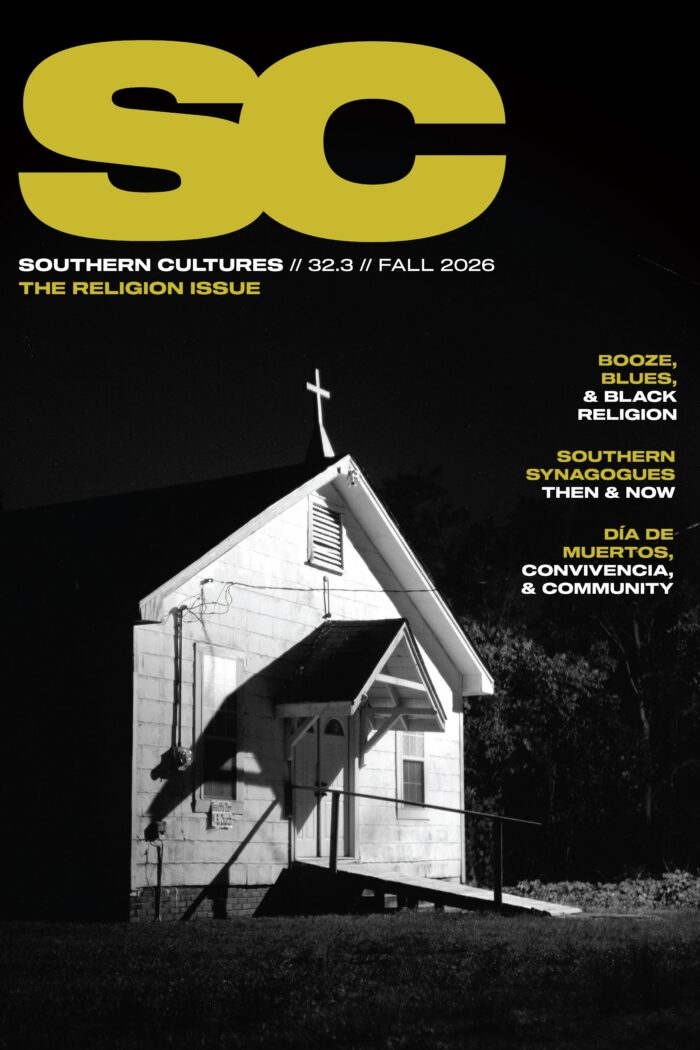
In the early twentieth century, many Black southerners were Saturday sinners and Sunday saints. After a night of unbridled self-indulgence—dirty dancing, drugs, sex, and so much more—they staggered, with heavy heads, into the vestibule the next morning, lingering in the back of the church, not yet entering the sanctuary. The author Joshua Bennett has asked, “After all, what is the vestibule if not a space for outsiders? For sinners and latecomers too tired from last night’s revelry to rise with the saints?” Might we also ask about those who were sinners, latecomers, and saints all at once? Who, like blues woman Shug Avery in Alice Walker’s The Color Purple, envisioned themselves heeding the words of Jesus: “whosoever will may come,” busting the church doors open and singing their own tune to their God? These Saturday sinners and Sunday saints came bearing the smell of last night’s gin on their breath and the haze of smoke deep in the fabric of their well-worn clothes. The old hymns enlivened them; in fact, many of them would surely move on up from the vestibule to the choir stand or even to the pulpit, testifying to God’s goodness and pleading for their own soul salvation.
This is an abstract. Read the full article for free on Project Muse.
Full Issue
Vol. 32, No. 3.