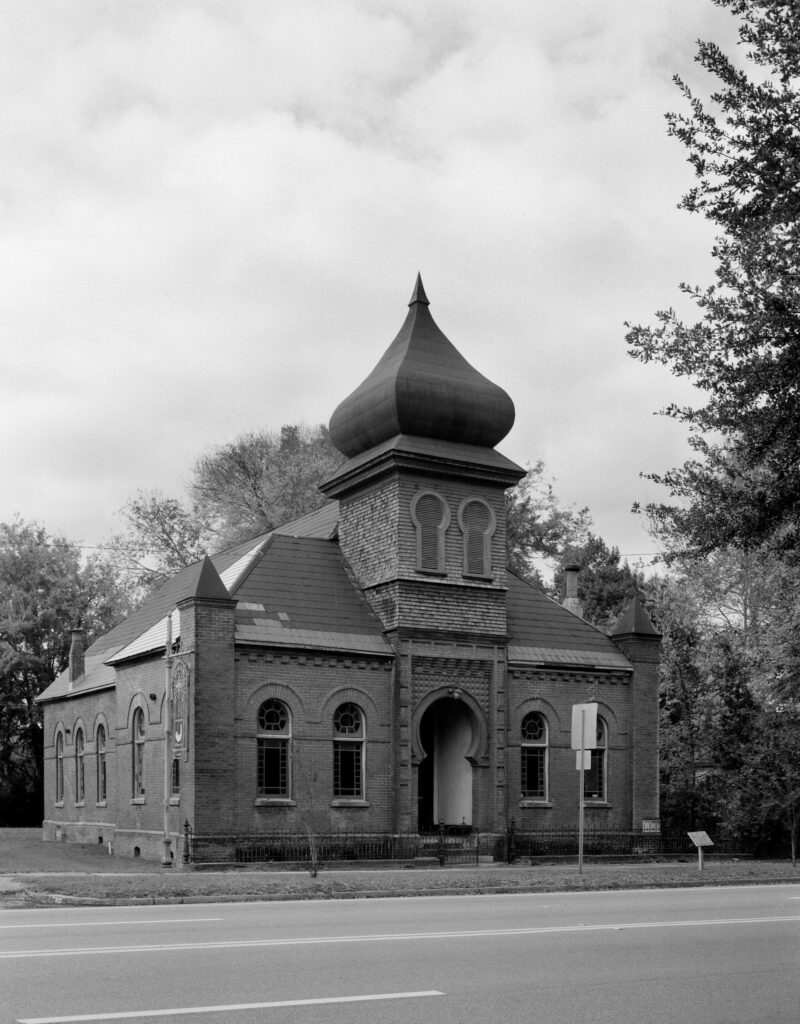
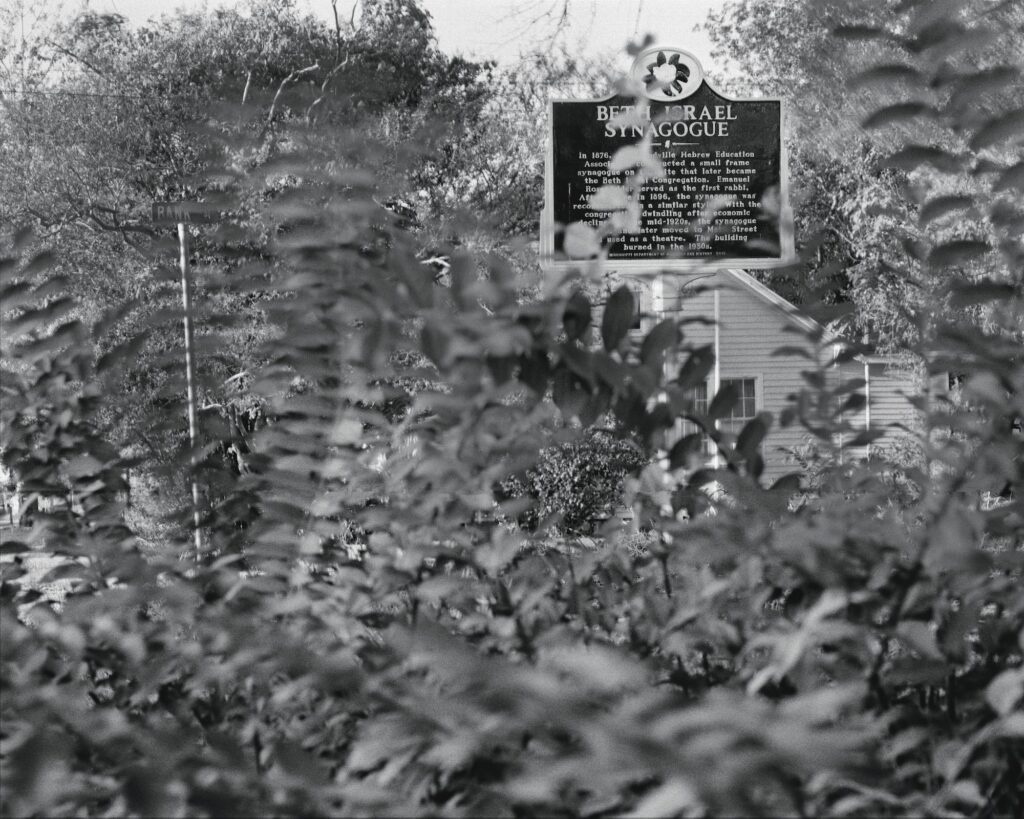
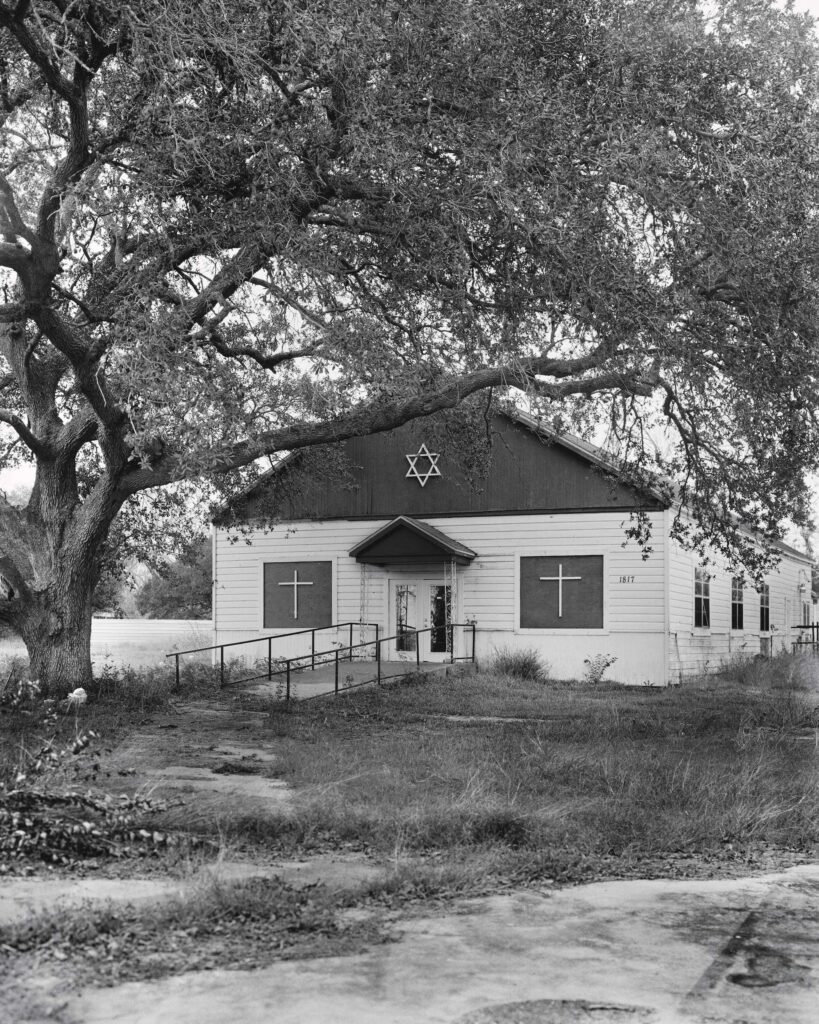
שיר אינסופי / Infinite Poem is an exploration of Jewish placemaking, both literal and metaphorical, in the Deep South. This work seeks to understand how Jewish communities in rural areas and small towns across Texas, Louisiana, Mississippi, Alabama, and Georgia have preserved their traditions while forging a unique identity in places that are often perceived as the very edges of the diaspora.
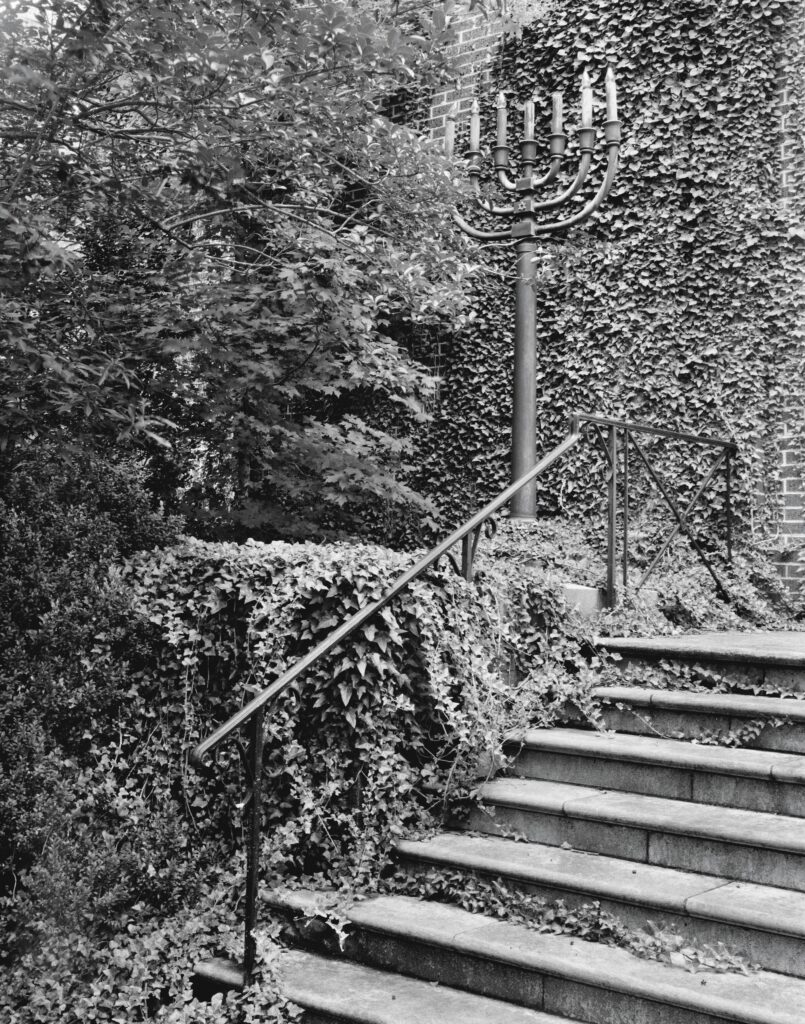
There is no singular Southern Jewish experience, nor does this work seek to identify one. What unifies these communities is circumstance—they are all small “frontier” communities. In his book The Chosen Folks: Jews on the Frontiers of Texas, Bryan Stone defines a frontier as a metaphorical line between “us” and “them,” which can often take on material form. Infinite Poem explores the material manifestations of this frontier, looking at how Southern Jews have maintained a distinct sense of group identity as a small minority in a region in which religion is paramount.
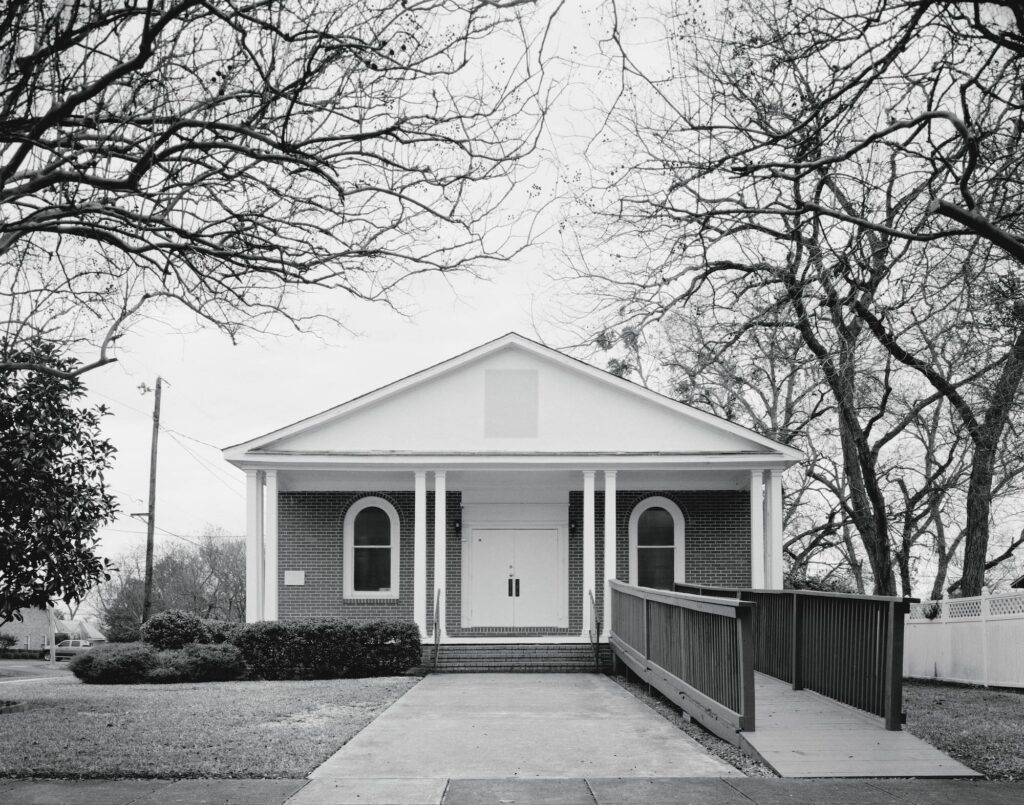
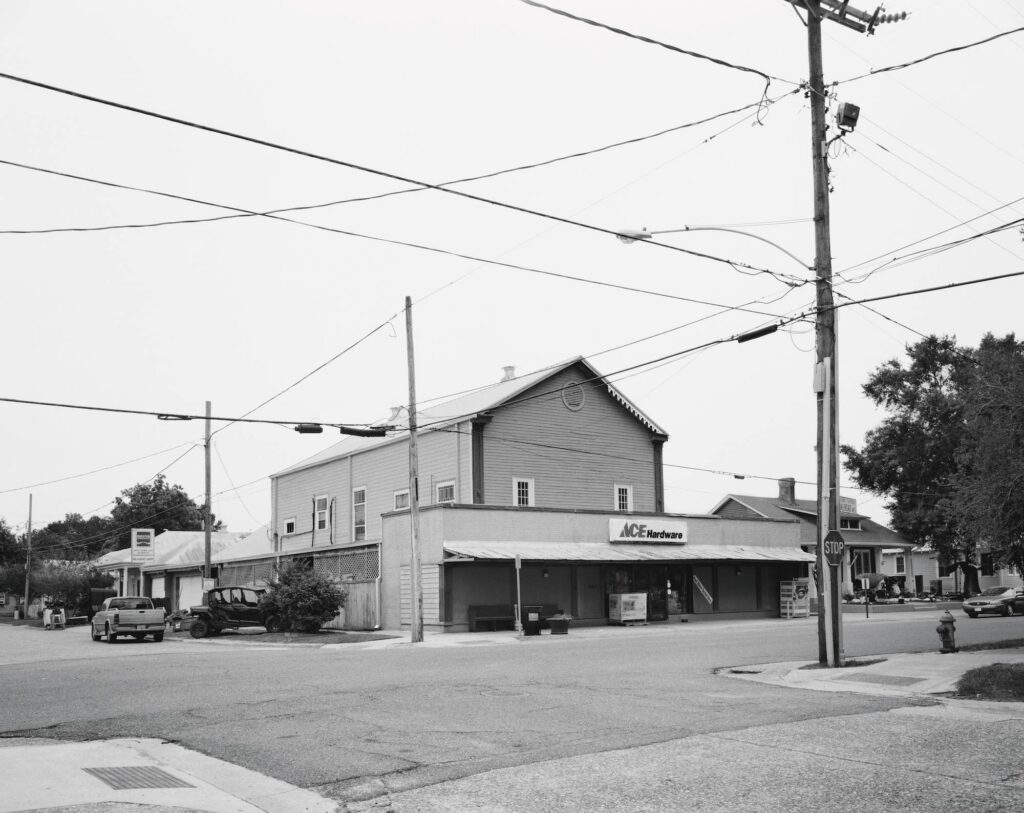
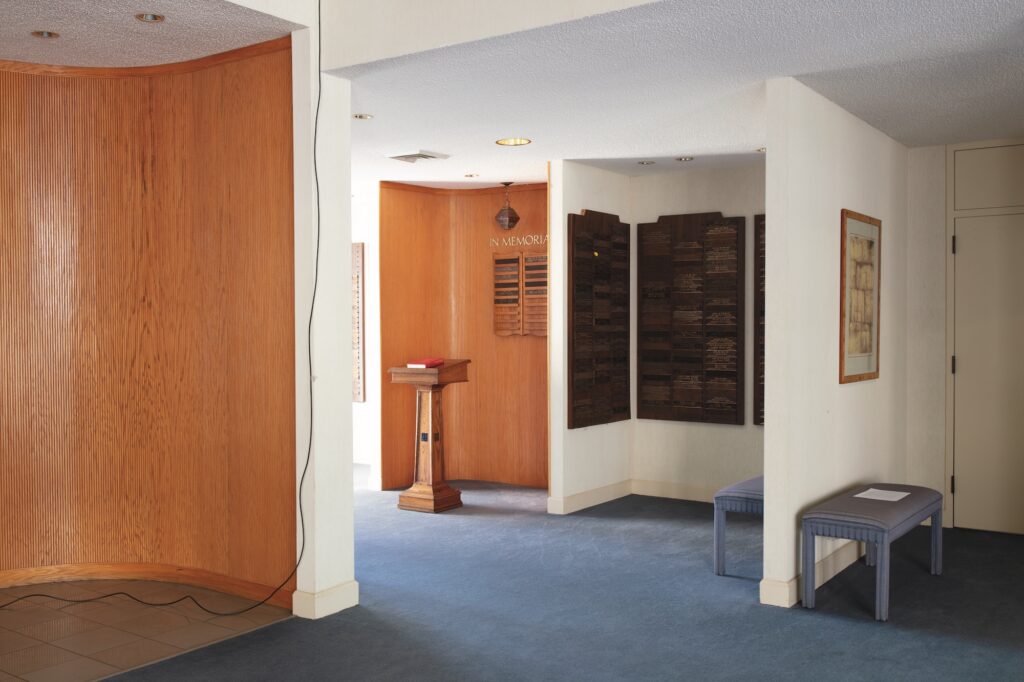
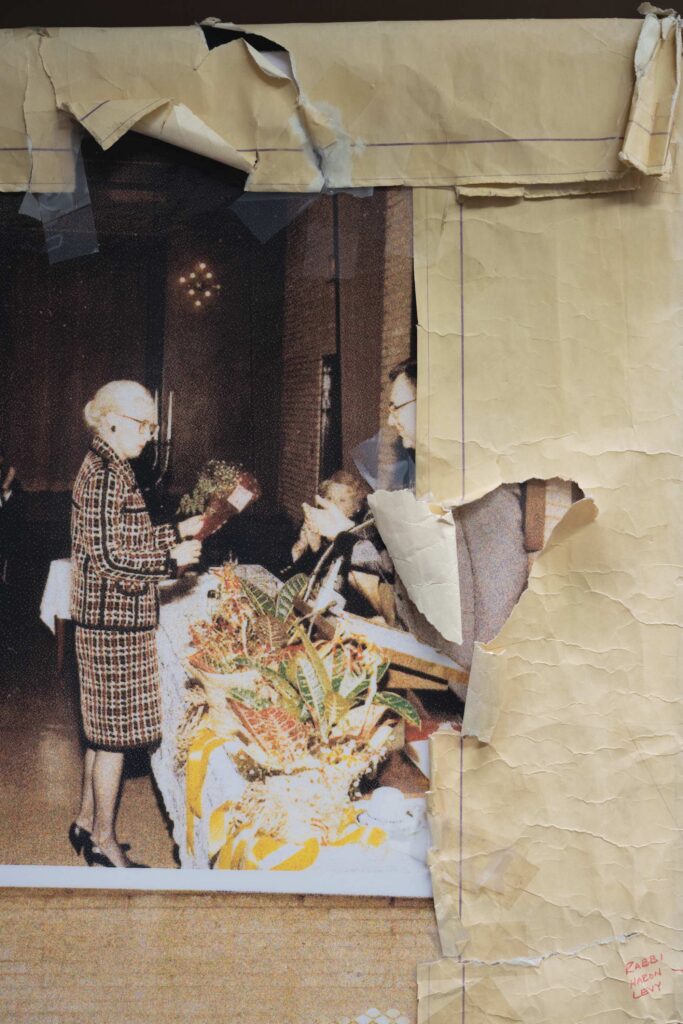
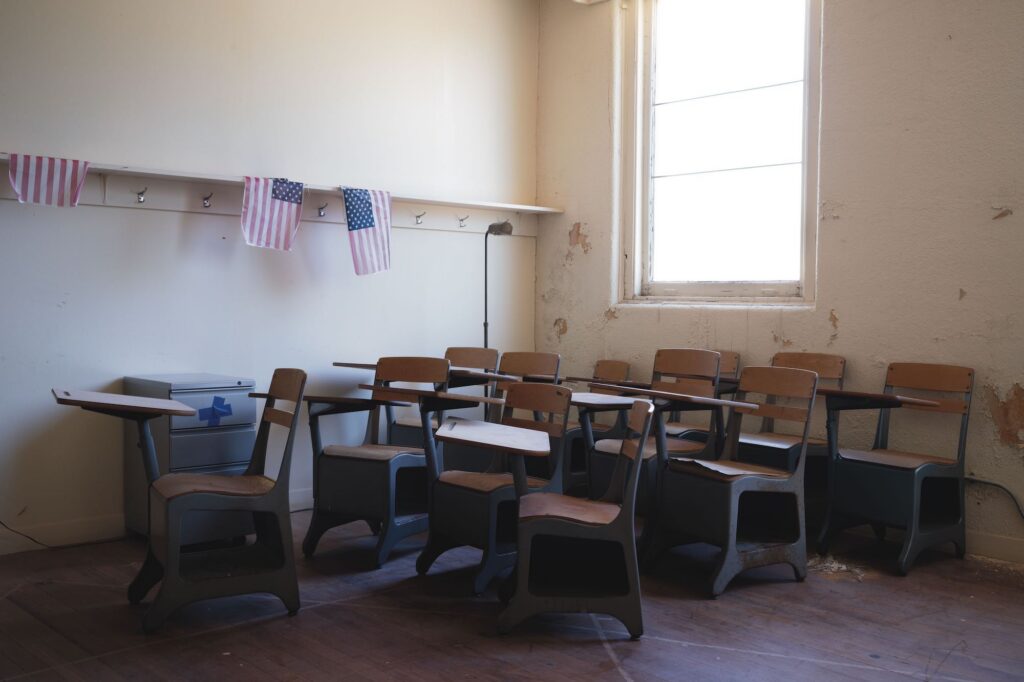
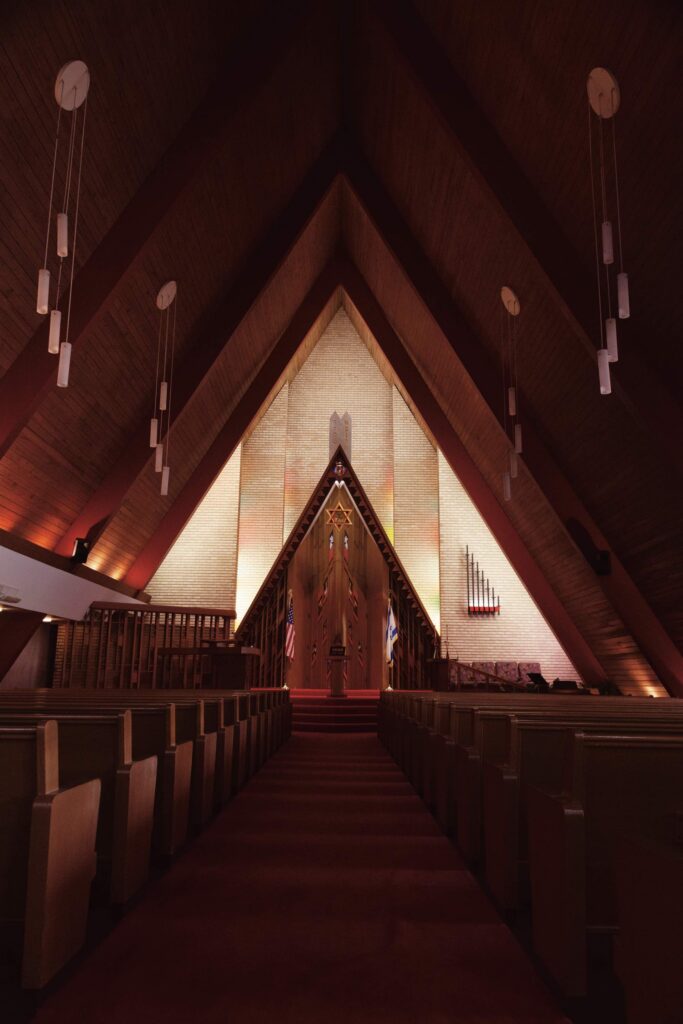
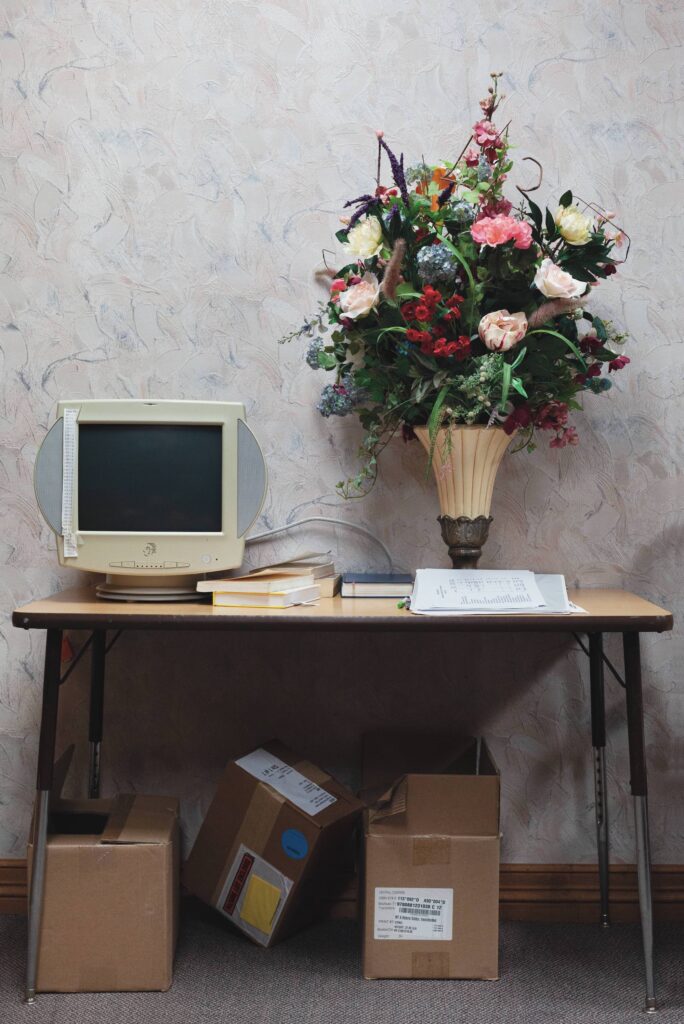
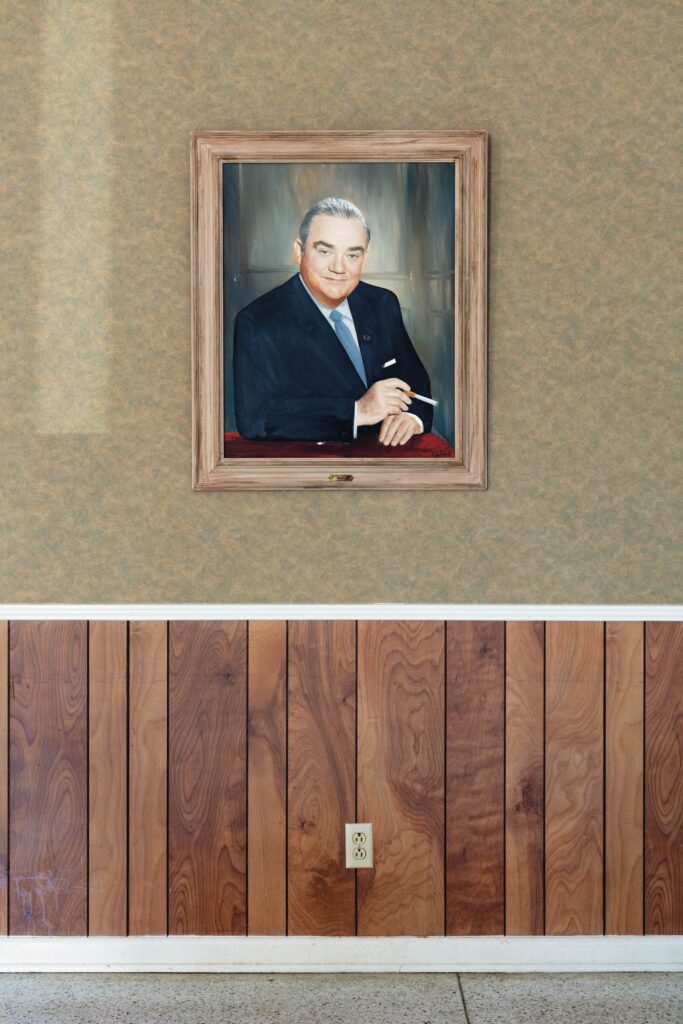
What follows is a small selection of images from a much larger body of work, titled We had to know who we were; We had to know who we weren’t, which documents a broad range of Jewish sites and experiences through photography and oral history interviews across the region. Analog black and white images created with a large-format camera of once-functional synagogue exteriors are followed by digital color images of in-use synagogue interiors, creating a dialogue between past and present through both medium and subject. The viewer is guided from outside to inside, with the color images offering a glimpse into a different synagogue. Viewed collectively, the work almost begins to read as a continuous space, moving from foyer to sanctuary, classrooms to administrative spaces, and inviting the viewer to imagine who and what may have once existed inside of the now-shuttered buildings which precede them.
There is no definitive conclusion to be drawn from the body of work, no capital “T” truth about Southern Jewry. Rather, the photographs celebrate the persistence of these communities, mourn their loss, and preserve what was and still is. This project seeks to fill a silence in the photographic archive by intentionally uplifting the voices, spaces, and places of Southern Jews and Jewish Southerners.


Emily Rena Williams is an artist and educator who investigates memory, identity, and placemaking through photography, writing, and audio. She holds a BA in fine arts and history from Haverford College and an MFA in photography from Louisiana State University. Her work has been shown nationally and has received support from the Southern Jewish Historical Society, Texas Jewish Historical Society, the Alabama Folklife Association, Texas State Historical Association, and the Carolina Center for Jewish Studies.
Header image: Former Temple Sinai, St. Francisville, Louisiana, 2022.