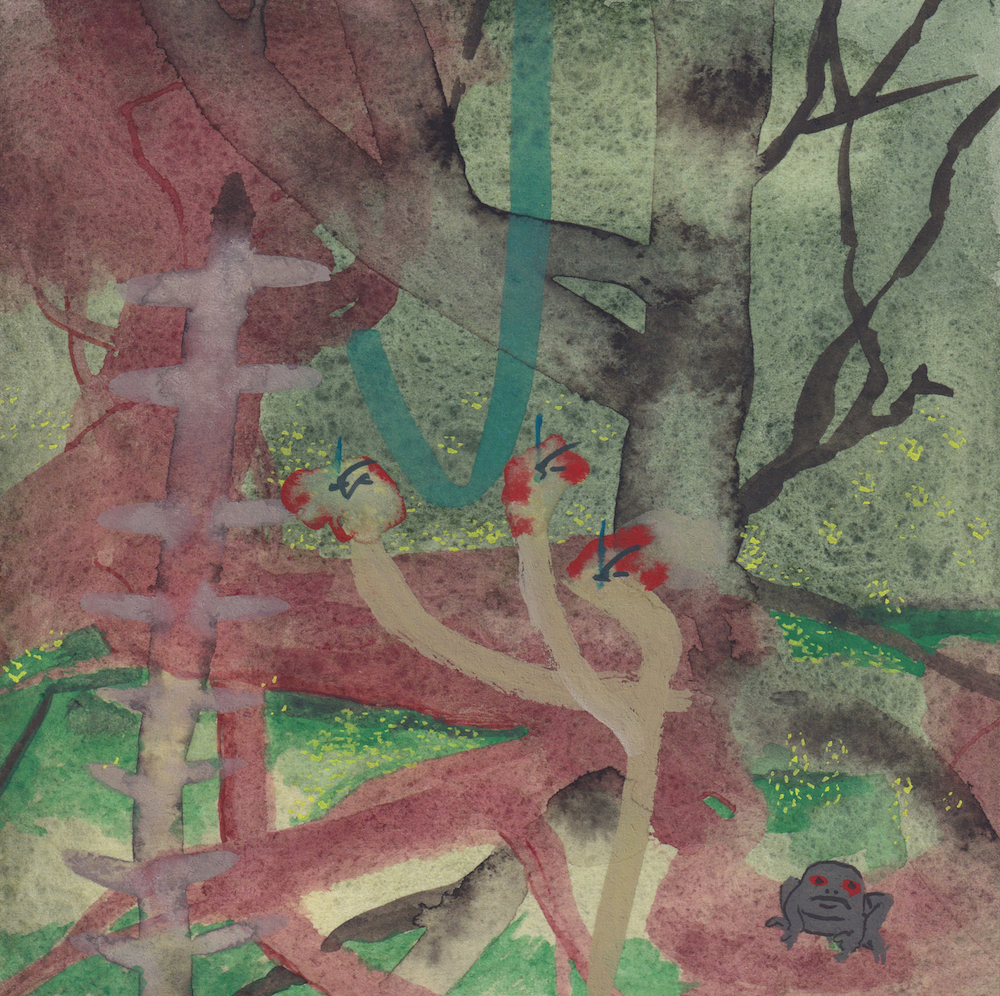
She slips it out of its leatherette case,an immaculate cartridgeshe clenches between the red bow of her lipswhile flicking her butane lighter,sucking deeply until the tipstarts to crackle and glow like a fuse. She snaps the lighter shut and blows smokethrough pursed lips over her shoulder,lifting the Lucky between two rednail fingerslike somebody about to »
“We even accept transplanted Yankees who have seen the light.” We welcome the following letter from Alma M. Womack, who writes to give us her view of the eternal question, “Who is a true southerner?” She makes two main points: First, that the most powerful group in a region controls the way outsiders regard it. »
“Decades before they used sex to sell cigarettes, they were using sectionalism to sell cigars.” Tobacco doesn’t sell itself. Its purveyors have long been pioneers in advertising and marketing techniques. Leaf through the pages of this special issue and you’ll find plenty of evidence of that: the provocatively posed photographs of women smoking; the celebrity »
“‘All decked out in tobacco leaves,’ the caption read, ‘she might be aptly termed Miss Venus.’” In August 1937 the tobacco warehouses in Wilson, North Carolina, opened their doors to area tobacco farmers, just as they had each year since 1895. But that summer there was a new attraction in town—the first ever Wilson Tobacco »
“The Dukes linked sex and the cigarette, which was audacious not only because they were abstemious Methodists but because there’s no earthly reason burning a foul weed in your mouth ought to invoke the pleasures of sex. And yet it does.” The monument to James Buchanan “Buck” Duke stands in front of the English Gothic »
“It’s hard to point to another region with so much musical variety and so much music with world-wide appeal.” Drumroll, please. This is Southern Cultures‘s second music issue, complete with another new CD full of ballads, blues, and bluegrass from great southern artists known and less known. While this is only our second version of »
“Many southerners from rural areas did not yet have electricity or indoor plumbing in the early twentieth century. In Shanghai they encountered more modern amenities and an elaborate public nightlife, full of perfect strangers.” Go to one of the tobacco areas in North Carolina or Virginia today and you will still find a large number »
“Stories about Alan Lomax and his exploits are legendary. While doing research in the Library of Congress Music Division, Lomax was sitting at a table across from a student who was reading his classic Folksongs of North America. At one point the student looked across the table and asked, ‘Is Alan Lomax still alive?’ Lomax »
“The changes of recent decades have now brought America’s most isolated region into closer contact with global influences than at any time in memory.” The American South has depended on foreign contacts for centuries, ever since Jamestown started down Tobacco Road. From the earliest colonial days, foreign exports propped up the southern economy, as rice, »
“Bill Monroe had seen a lot of troubles in his days, but nothing could have prepared him for this. Whe he entered his home, he found his 1923 Gibson F-5 mandolin, built by craftsman Lloyd Loar, smashed into several pieces, a fireplace poker lying nearby.” Bill Monroe had seen a lot of troubles in his »
“He mounted to the bar with a pistol in his hand and he sent Judge Massie to the Promised Land . . .” He mounted to the barwith a pistol in his handand he sent Judge Massieto the Promised Land
“Lavishly illustrated ads told of broken love affairs, loneliness, violence, and jail, in concert with travel to and from the South–by train and boat, on foot and in memory.” In January of 1926, a record advertisement for Bessie Smith’s “Florida Bound Blues” appeared in the Chicago Defender‘s entertainment section, showing the blues queen wrapped in »

 Poetry