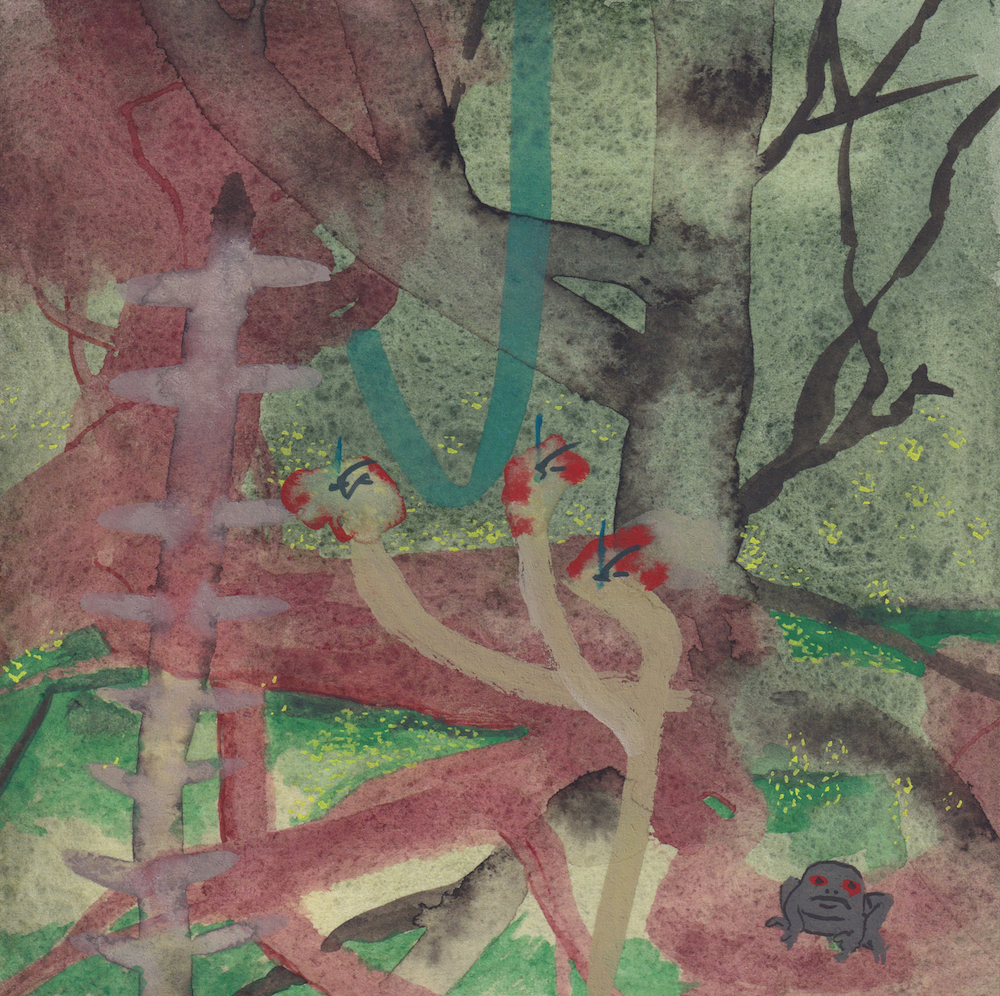
“But here we are. You with a bow and arrow. Me in a headdress.” The Indian Sports Mascot Meets Noble Savage Indian Mascot: I think of us always as a couple. Noble Savage: Have we ever been together? Are we ever going to be?
“A Buffalo Gal would not be bowled over by every little thing that came along.” In her thirteenth year, the year she almost became popular in America, Alice learned some new words, or she learned some words newly. The first was bitch and it was unthinkable. No case could be made for comparing a woman »
by Brett H. Riggs,
Thomas J. Blumer,
Lorene B. Harris
“Like their ancestors for thousands of years, Catawba potters of the late twentieth and twenty-first centuries have continued to adapt their material traditions to ever-changing modern contexts. In the process, they create remarkably contemporary works of visual and tactile art.” The Catawba Indian community of York County, South Carolina, is renowned for its elegant, traditional »
“Sanctifying a historic site almost always involves an effort to derive some kind of clear moral message from the events that have taken place there. At New Echota in the early 1960s, that interpretive effort focused on the story of Cherokee Removal, and the moral message was atonement.” Cherokee Removal is the most famous episode »
“Poor white and black southerners ate molasses in some form with almost every meal.” Molasses has been one of the three Ms of the diet of southern common folks, along with meat (salt pork) and meal (corn meal). It has served as a baking ingredient, condiment, and cold remedy, and it was central to special-occasion »
“The Klan was trying to put a damper on the Lumbees. They were not going to come here and run the Lumbees away from their home.” —James Jones On a frigid Saturday night in January 1958, Grand Dragon James “Catfish” Cole and fifty other members of the Ku Klux Klan gathered for a rally in »
“There is a land beyond the lands you know . . .” (After reading Hudson’s “Green Mansions”)There is a land beyond the lands you know,Circled by silver veils of woven rainAnd green,clear sunsets with the moon in towAnd woods and dark savannahs of wild grain.
“‘What I wrote seemed to me more essentially myself than anything I did or said.’” During his life and since his death in 1942, many people wanting to understand the American South have looked to William Alexander Percy. Understanding the man, it has seemed, might help us understand the region. Born into a prominent southern »
University of Georgia Press, 2006 Roger Rosenblatt, a journalist and media commentator, remarked some years ago that “even when . . . we don’t understand, when people do things in vast numbers, it is interesting. And they are trying to tell us something, or they’re trying to tell themselves something.” Rosenblatt’s statement could have described »
Houghton Mifflin Harcourt, 2006 In contrast to the current emptiness of “compassionate conservatism,” Nick Kotz has written an important book about a president from Texas and a preacher from Georgia who both understood civil rights for black Americans as a moral issue that the American people needed to confront with action. Judgment Days captures the »
Transaction Publishers, 2005 The contemporary southerner is compelled to swing both ways. Any white who stems from the region may be the proud legatee of the Confederate effort to destroy the Union a century and a half ago. Yet no section has exhibited more fervent patriotism, or has shown a fiercer eagerness to defend the »
Oxford University Press, 2005 James C. Cobb’s Away Down South: A History of Southern Identity is that rare book published by an academic press that can be wrapped up and given as a Christmas present. An engaging, accessible, and thoroughly enjoyable read, Away Down South is a comprehensive history of the ways different southerners, nearly »